Author: info@discoverdairy.com
Maine Teacher Makes Fascinating Connections Between Local Ecosystems and Dairy Farming
Dairy farmers rely on a wide range of skills on a daily basis, but especially math and science. Lacey Todd, a fifth-grade science teacher at Mountain Valley Middle School in Maine, has been weaving dairy farming and agriculture into her science and ecosystems curriculum through Discover Dairy’s Adopt a Cow program.
“I was at a workshop and the Adopt a Cow program came up in conversation. I thought it sounded pretty cool to do with my fifth-graders, because I teach science at the middle school level. We’re the lowest grade here, so I have pets in my classroom and things like that,” Lacey shared. “This seemed like it would be a nice tie-in to some of the work we do with some of the other animals and with the ecosystems.”
Many of her students live in poverty and aren’t familiar with dairy farms, but Lacey says agriculture careers are a very viable possibility.
“It’s a rural area. We have a high poverty rate, and we’re a title one school. We’re surrounded by a lot of places that were formerly farmland,” she said. “This is a new thing for a lot of the kids, but it’s not out of the realm of possibilities for professions they could end up choosing.”
After signing up for the Adopt a Cow program and being paired with a calf from a dairy farm, Lacey and her students were excited to find out that their calf lived only about 40 minutes away from them. This helped them realize the local connections agriculture has in their community.
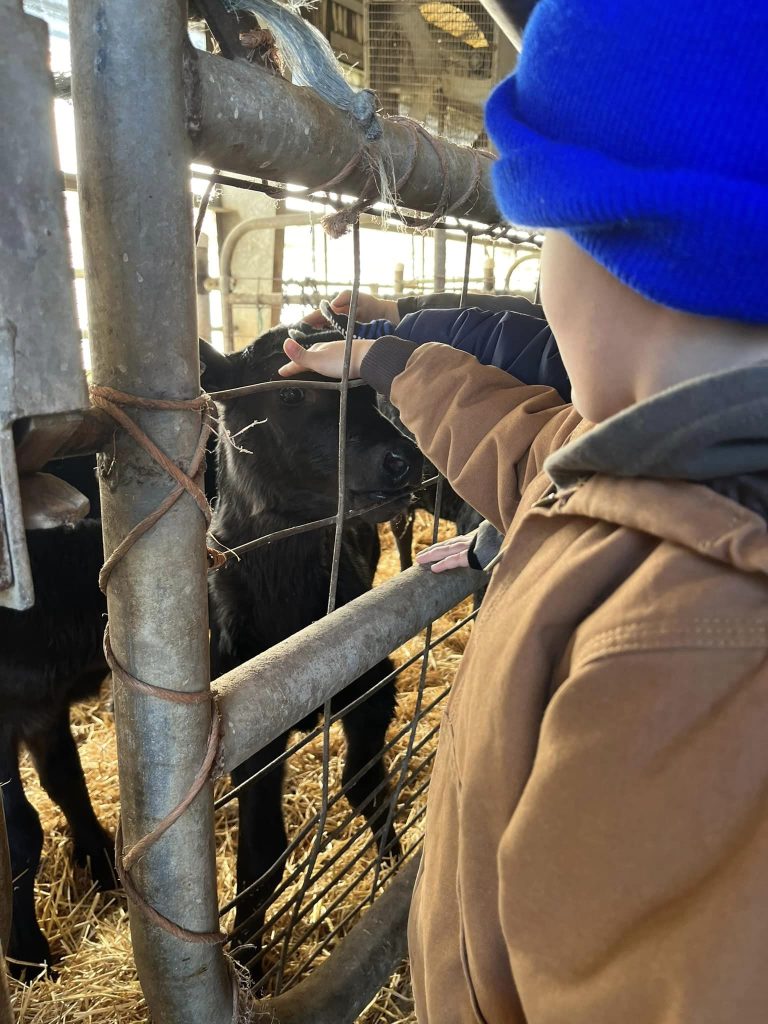
“When they found out the dairy farm was not only in our state, but only about 40 minutes away and right on the way to the area they would go shopping, they were so excited. That first day was so exciting when they found out which farm we had been paired with and when we saw those initial pictures of our calf,” she added.
With regular photo updates, videos, dairy-themed activities, and lessons that help teachers make STEM connections, Lacey has been able to connect the Adopt a Cow program directly to her curriculum and units. For example, her students used the growth chart that is provided through the program to develop their math and data collection skills by predicting how big their calf would grow.
“They’ve enjoyed the growth chart. We had a lot of really interesting predictions. We had a wall with our calf’s actual height and weight along with the updates as they came in. We compared that with the kids’ predictions, so they were kind of collecting data as it came through. That was important,” Lacey said.
Within her ecosystems unit, Lacey says they typically look at native species, including animals, plants, and fungi. She helps students consider how they are connected within food webs and how humans fit into the local ecosystem.
“At that point, we begin talking about food sources. Which things are naturally growing and living here in Maine, and which do we specifically plant, raise or grow? Cows are brought into that conversation,” Lacey explained. “They start making connections between the agriculture component of what actually needs to happen for a cow to be sustained for a lifetime. What are they eating? How much water are they drinking? They think about how much water a cow consumes over its lifetime, not just in what it drinks but also in the feed that is prepared for it. They’re developing this appreciation for every glass of milk they drink, including how much water has gone into it.”
Lacey even used some of Discover Dairy’s animal health lessons, which are available at no cost through the program, to help share what a calf needs in order to grow and be healthy. One of the bonus activities provided through the Adopt a Cow/Discover Dairy program was an activity for making ice cream, which connected to some of her science curriculum.
“That activity was queued up when we worked on mixtures, solutions and chemical changes. We tied it into that,” Lacey added. “I’ve been picking away at some of the Discover Dairy lessons, and I hope to do more of them this year in depth.”
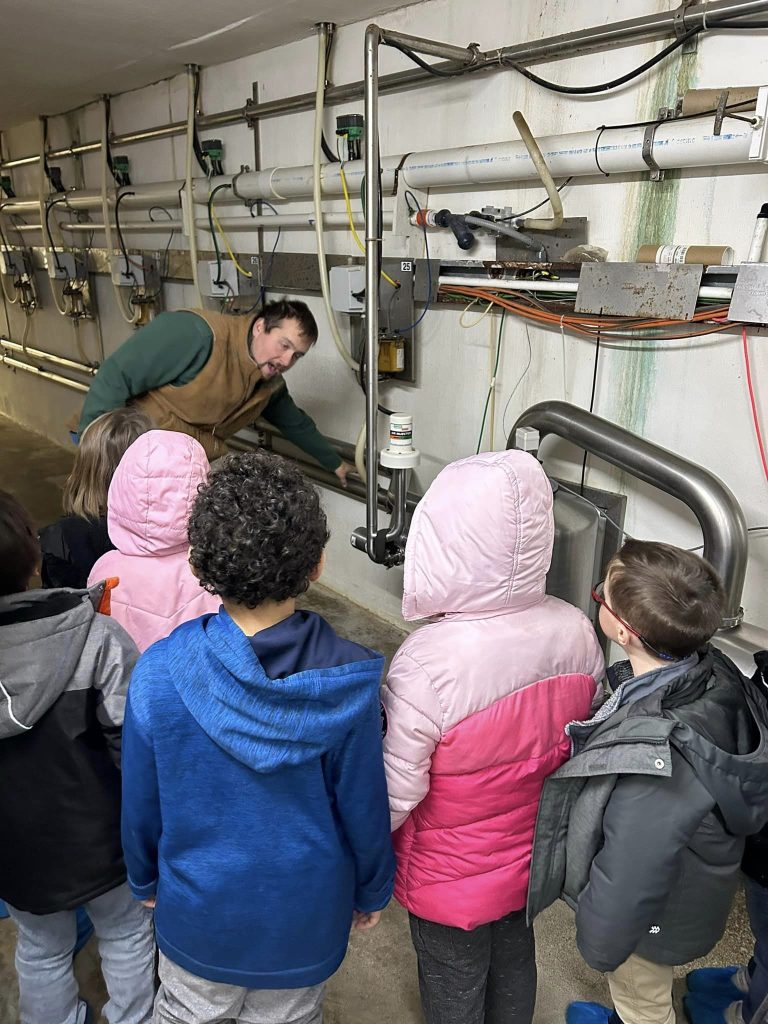
As a Discover Dairy participant, Lacey was able to apply for a Farm Tour Field Trip Grant. Her classroom was awarded the grant, which allowed them to tour a dairy farm in their community and see the operation in action. Lacey says these experiences have helped her students realize that agriculture could be a potential career option in the future and is an important part of the fabric of their state.
“Agriculture is really specific and special to our state, and I think it has kind of been lost over the last 20 to 50 years. I wanted them to learn that agriculture is an industry that still exists and is something students can get involved with,” Lacey said. “Having that knowledge about these career opportunities, developing the appreciation for where their food comes from, and seeing how technology has found its way into this profession, those pieces are all very important to students.”
Click here to sign up for the free program by September 15.
Discover Dairy is an educational series managed by the Center for Dairy Excellence Foundation of Pennsylvania in partnership with American Dairy Association Northeast, American Dairy Association Indiana, Midwest Dairy, The Dairy Alliance, Dairy Farmers of Wisconsin, Dairy Management West, Dairy West, New England Dairy, Dairy Farmers of Washington, American Dairy Association Mideast, Dairy Council of Florida, United Dairy Industry of Michigan, Maine Dairy and Nutrition Council, and Oregon Dairy Council.
Oregon School Cafeteria Adopts a Cow to Get Students Excited About Drinking Milk
What does it look like when an entire school cafeteria adopts a calf from a dairy farm? For Lynne Shore, Nutrition Services Director at Willamina School District in Oregon, she made this a reality for the 800 students (K-12) her cafeteria serves. After planning a farmer’s markets for students a year earlier, Lynn and her team decided to take it a step further by participating in Discover Dairy’s “Adopt a Cow” program.
“I don’t think kids have much experience with dairy farms other than just driving by them. We have a farm-to-school education grant, and last year we did a farmer’s market where the kids could actually buy food from a farmer and take it home,” Lynne shared. “We had the Dairy Princess Ambassador come and she actually brought a calf. That’s kind of where the connection started, so we have been following that connection along with the Adopt a Cow program. It has been really eye-opening, especially for kids who don’t see dairy farms every day.”
With the cafeteria being a central point between all the schools in the Oregon school district, Lynne enjoys adding bursts of education and fun into the students’ lunch experience. After adopting a calf through the program, she received regular photos, video updates, lesson ideas and other activities throughout the year to share with students when they visited the cafeteria.
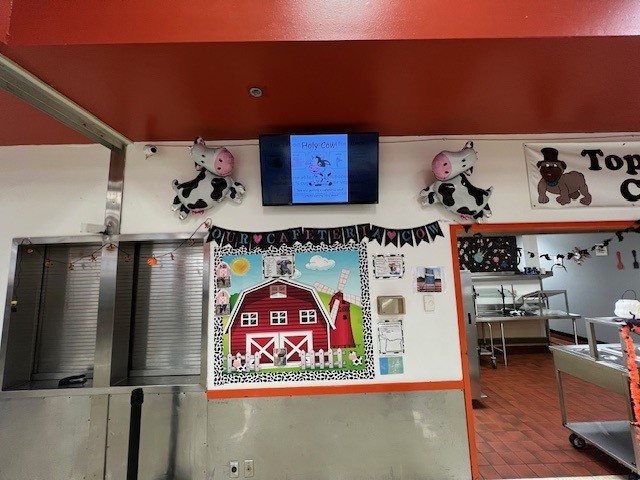
“I’m always looking for educational opportunities and this looked like a good one. It kind of went with our mission of providing milk for the kids,” she added. “I’m always looking for things that are touch-and-go education, because we really don’t have the kids in our cafeteria for very long and they have to eat while they’re here.”
Lynne created a bulletin board to share updates about their adopted calf Mabel, including photos and a growth chart. She also led a gender reveal activity where students used stickers to vote if the calf was going to be a boy or a girl. After receiving their calf announcement, she sent each classroom a box to open with a pink cow inside. On Valentine’s Day, she customized the valentine templates sent through the program and added a “Love from your cafeteria calf” message to them.
The farm tour videos provided through the Adopt a Cow program have been especially valuable for the cafeteria setting. Lynne will loop the videos on a monitor in the cafeteria to give students a virtual tour of a working dairy farm.
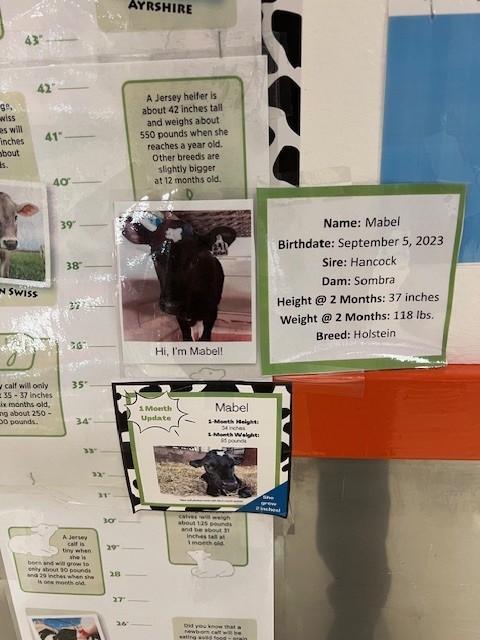
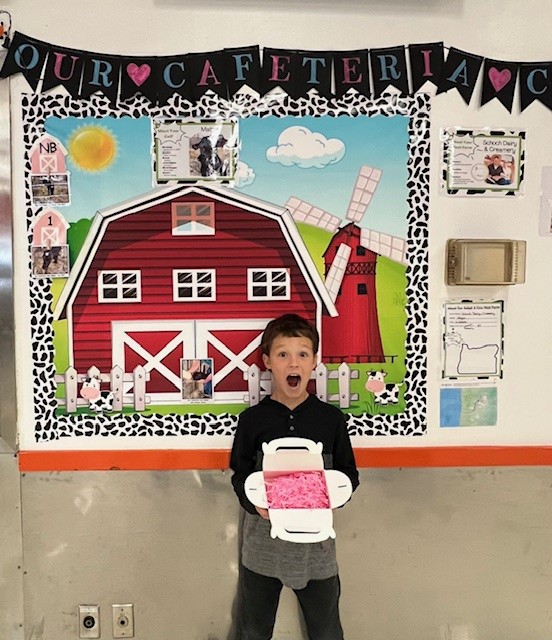
“They love it. One day they wanted more videos, so I put up the dairy farm tour. I’ve had kids ask if the milk they were drinking came from our dairy cow. I had another student who had no idea milk even came from a cow. They are asking good questions,” Lynne explained.
At a broader level, the Adopt a Cow program is helping the cafeteria staff make important nutrition-based learning moments with students – who now understand exactly where their milk comes from and have a personal connection with the farmers and animals that produce it.
“I think the program is really encouraging the kids to drink milk. It’s always important for kids to know where their food comes from, but especially milk and foods they see every day. It’s really important to see where it comes from and the process. It has been really fun for the kids,” Lynne shared.
Click here to sign up for the free program by September 15.
Discover Dairy is an educational series managed by the Center for Dairy Excellence Foundation of Pennsylvania in partnership with American Dairy Association Northeast, American Dairy Association Indiana, Midwest Dairy, The Dairy Alliance, Dairy Farmers of Wisconsin, Dairy Management West, Dairy West, New England Dairy, Dairy Farmers of Washington, American Dairy Association Mideast, Dairy Council of Florida, United Dairy Industry of Michigan, Maine Dairy and Nutrition Council, and Oregon Dairy Council.
Make a Cow Habitat
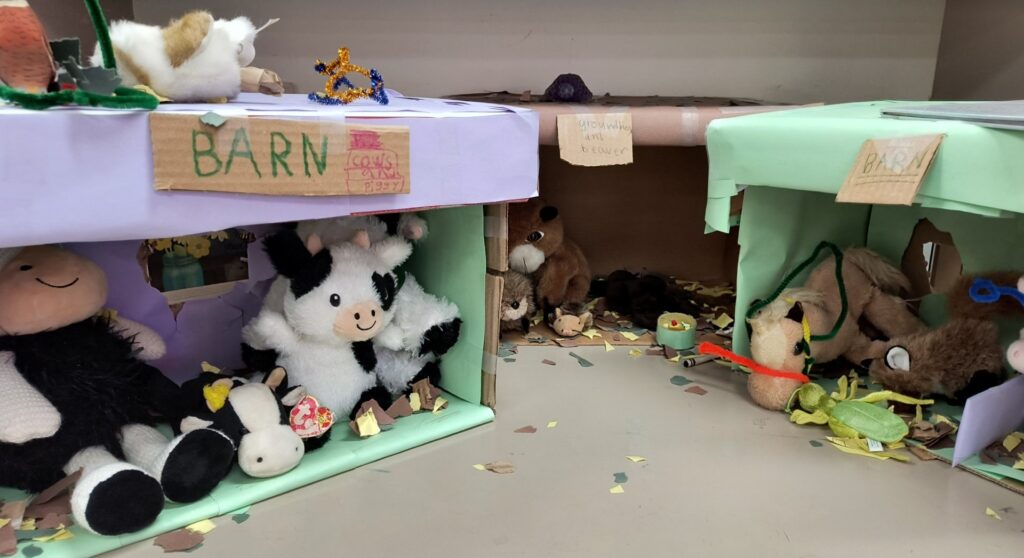
Make a Cow Habitat
Melanie, a third-grade teacher in Pennsylvania, is helping bring the Adopt a Cow program to life for her students through hands-on activities. The students have used their imagination and creativity to create their own barnyard habitats. Each habitat needed to provide the essential things to care for the animals like shelter, food, and water. What a fun way to review the Adopt A Cow program!
Garlic Herb Whipped Cottage Cheese
Cottage cheese can be for everyone. Have you tried it whipped with seasonings? Check out this Garlic Herb Whipped Cottage Cheese dip. It is sure to change your mind about cottage cheese!

Dairy Fun Fact
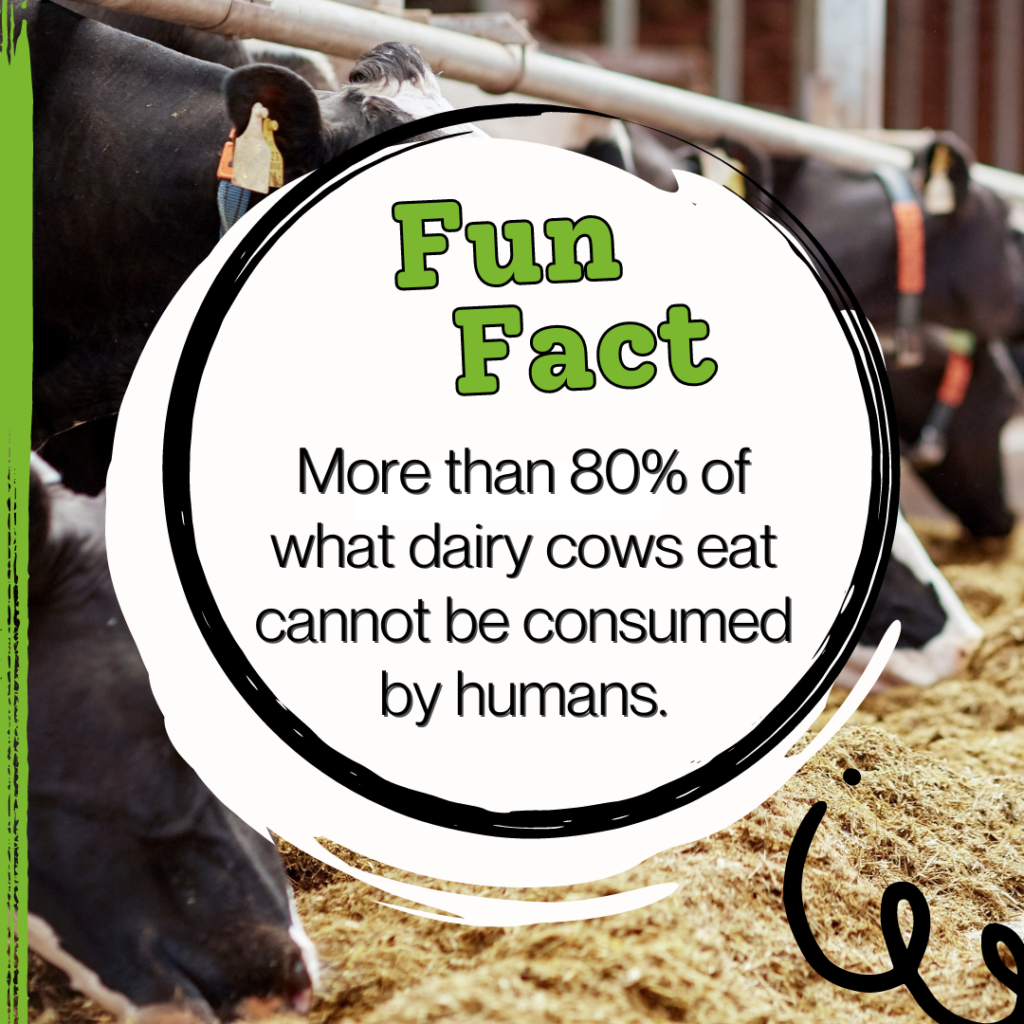
Today’s Dairy Fun Fact:
Did you know mor than 80 of what dairy cows eat cannot be consumed by humans? Dairy cows can eat byproducts like brewers grain, citrus pulp, and chocolate, and turn into energy and milk.
Cows are the ultimate up-cyclers. They can eat our food waste products that would otherwise go into a landfill and turn it into energy. With the help of a nutritionist, a cow’s diet uniquely incorporates fats, proteins, and carbohydrates from grasses, grains, and biproducts!
Cows Are Superheroes
We all have someone in our lives that we consider our hero. Maybe it is your mom, cousin, pastor, or best friend. Whoever it is, they are our superhero because of the amazing things they do.
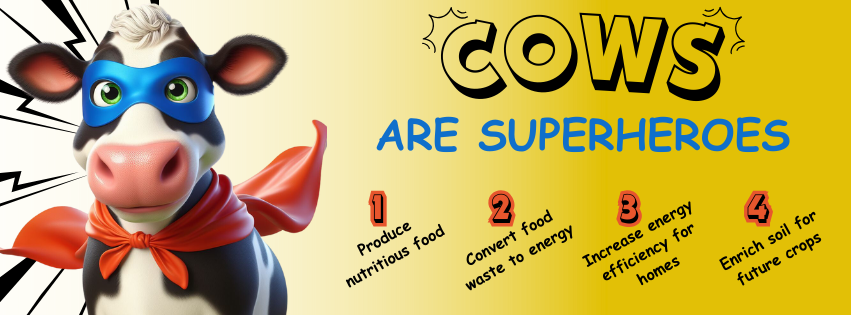
On this National Superhero Day (April 28), we are giving the spotlight to the dairy cow! Dairy cows positively contribute to our earth’s sustainability through their superhero powers like:
- Produce nutritious food: Milk is a powerhouse beverage, containing 13 of the essential nutrients we need in our daily diets. Learn more about the power of milk from Undeniably Dairy.
- Convert food waste to energy: Almost 40% of a dairy cow’s diet is made up of byproducts. Depending on where the farm is located, each farm has access to different byproducts. Some byproducts that are excellent sources of energy for cows are almond hulls, soybean meal, citrus pulp, distillers grain, or the leftover pieces from making juices and foods like lemons, pomegranates, oranges, and even chocolate! Watch the “Can Dairy Cows Reduce Food Waste?” video to learn more. Take a deeper dive into the science withDr. Frank Mitloehner’ by reading his article while working with UC Davis.
- Increase energy efficiency for homes: Not only do cows produce milk, but they also produce a lot of manure! That manure is a valuable asset on a dairy farm. Farms with methane digesters can convert the manure to electricity and power their farm and the local community! Click here to watch a video to learn more about the methane digester and how it works.
- Enrich soil for future crops: Manure is also a nutrient-rich product that dairy farmers can use on their fields for fertilizer. Dairy farmers make sure to apply fertilizer from the right source, at the right rate, during the right time and to the right place to use it most efficiently. Read this article by the American Dairy Association Mideast to learn more.
In honor of National Superhero Day, take time to say thank you to the superheroes in your life. Whether it is a parent, a dairy farmer, or a dairy cow, they all deserve a thank you! Feel free to send a note of thanks to Farmer through the Contact Your Farmer tool.
Happy Earth Day: Environment-Themed Activities to Try This April
| In honor of Earth Day on April 22, Discover Dairy has several free lessons that you can utilize with your students this month. – “Dairy In Our Environment” Lesson. For there to be successful farms, there must be clean water. This lesson will explain the importance of connecting the farmer, the consumer and the environment. Students will learn the roles dairy farmers fill in protecting our environment, such as recycling. Click here to view the lesson. Age group? This lesson is ideal for students in grades 3-5. – “Sustainability in Dairy Farming” Lesson. To learn more about how dairy farmers display sustainability day in and day out, check out our NEW lesson. From manure management to water conservation, dairy farmers respect the environment and work to reduce waste, recycle water, and conserve fossil fuels by becoming innovative in how they manage their farms. This lesson takes about 90 minutes of class time. Click here to view the lesson. Age group? This lesson is ideal for upper middle school and high school students. Want to take it a step further? Here are two other Earth Day connections you can make with students: Cow Power and Gardening. CowPots are the only biodegradable pot made from 100% renewable and recycled cow manure. These biodegradable pots help you to have a more sustainable garden, reducing your reliance on plastic and peat. The porous pot walls encourage root penetration and healthy air pruning. For a fun classroom activity with your kids, these CowPots are ideal for home gardens or school gardens! Dairy’s Surprising Tie to Renewable Energy. The U.S. dairy industry is committing to carbon neutrality by 2050. See how dairy farmers are using “cow power” — among other sustainable practices like manure management — to ensure dairy is part of the environmental solution. Watch this short, three-minute video. |
On-Farm Adventures Happening Across the Country
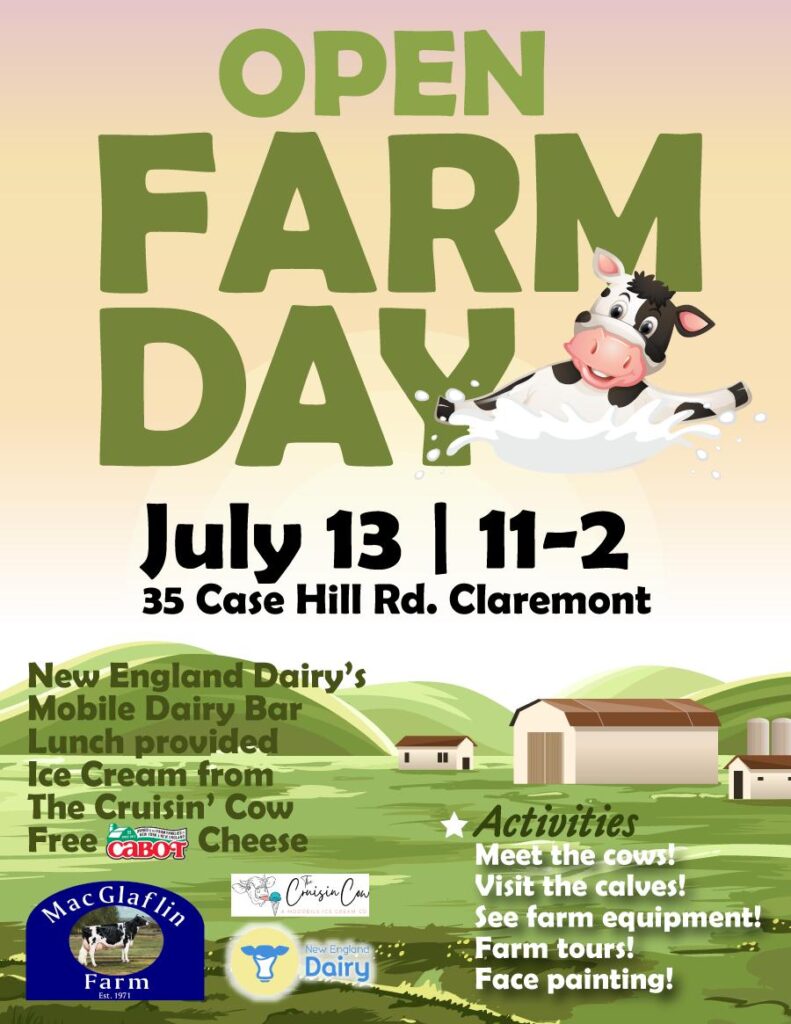
Are you looking for a fun farm experience this spring and summer? Look no further! Discover Dairy is working to collect a list of upcoming farm experiences for 2024. From “Open Farm Days” to Farm Camp and a Dairy Dash 5k Trail Run, there are a lot of interesting and exciting activities on the list. We will continue to update this list over time. Click on the desired state and see what opportunities await!
How Dairy Farmers Go Green
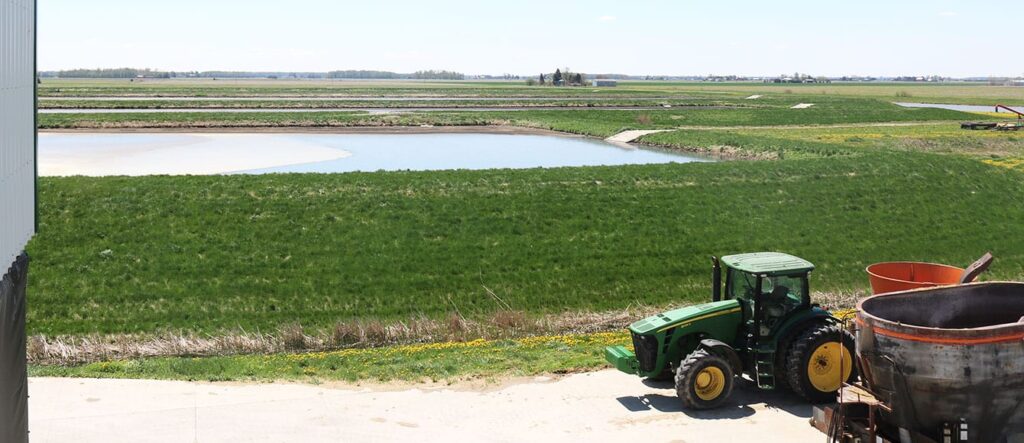
Dairy farmers were going green long before it was trending, and they continue to innovate on how they can protect natural resources. With the onset of spring, dairy farmers must find the right time to spread manure on cropland as a natural fertilizer, following federal, state and local clean water laws, so nutrients are absorbed by crops, not groundwater. From recycling water through multiple uses such as irrigating fields, cleaning barns and cooling milk to reusing sand bedding, discover six ways dairy farmers reduce, reuse and recycle in this article.
Dairy Fun Fact
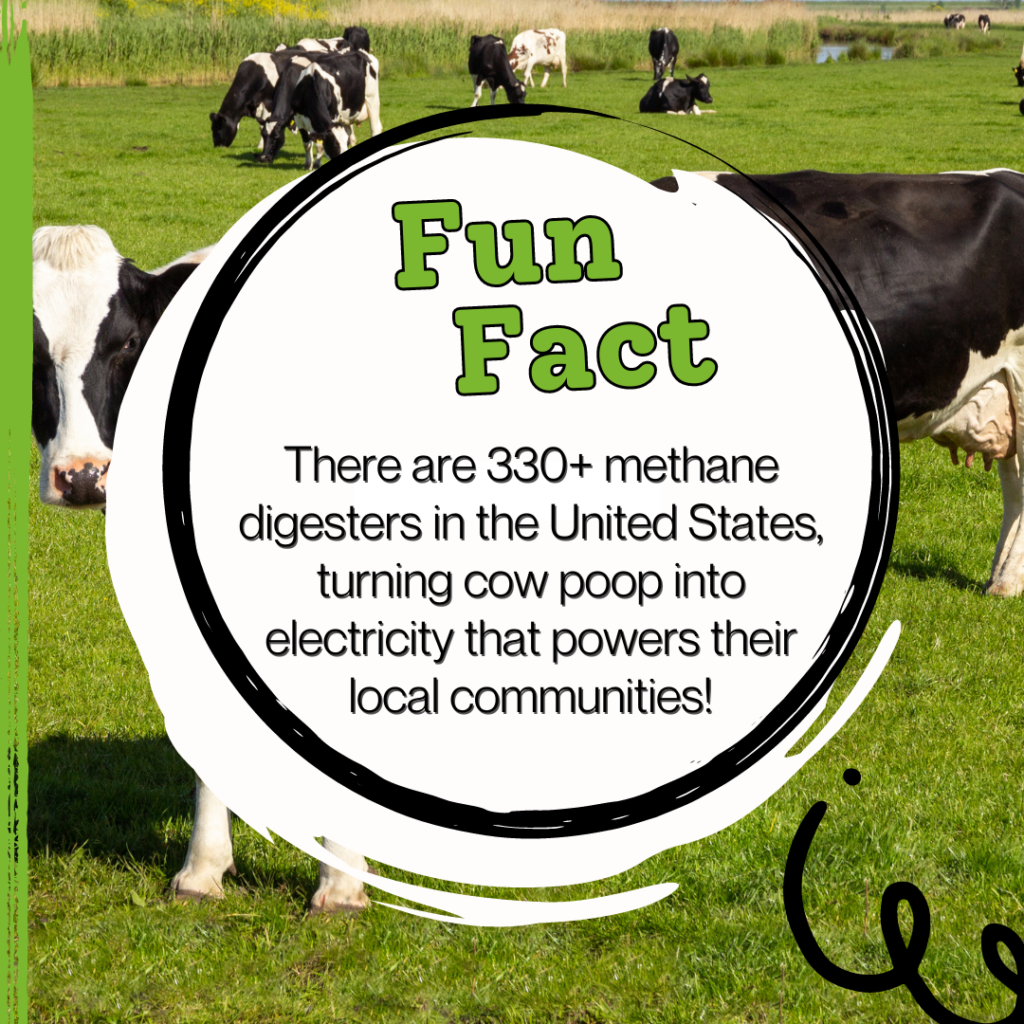
Did you know there are more than 330 methane digesters in the United States? These digesters turn cow poop into electricity that powers their local communities! With Earth Day happening this month, this is the perfect time to share this fun fact with your students and explain how dairy farmers protect the environment